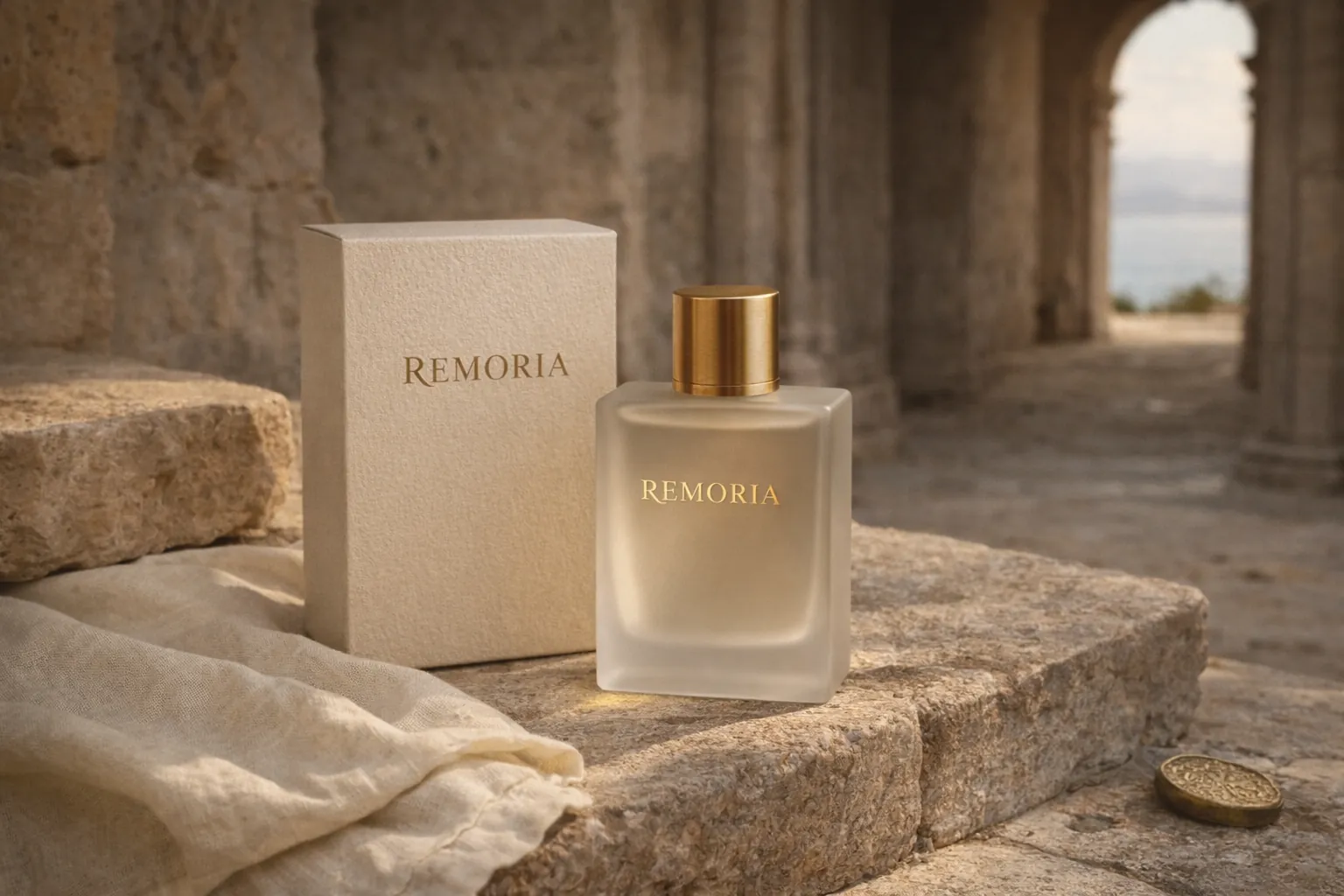
Inputs
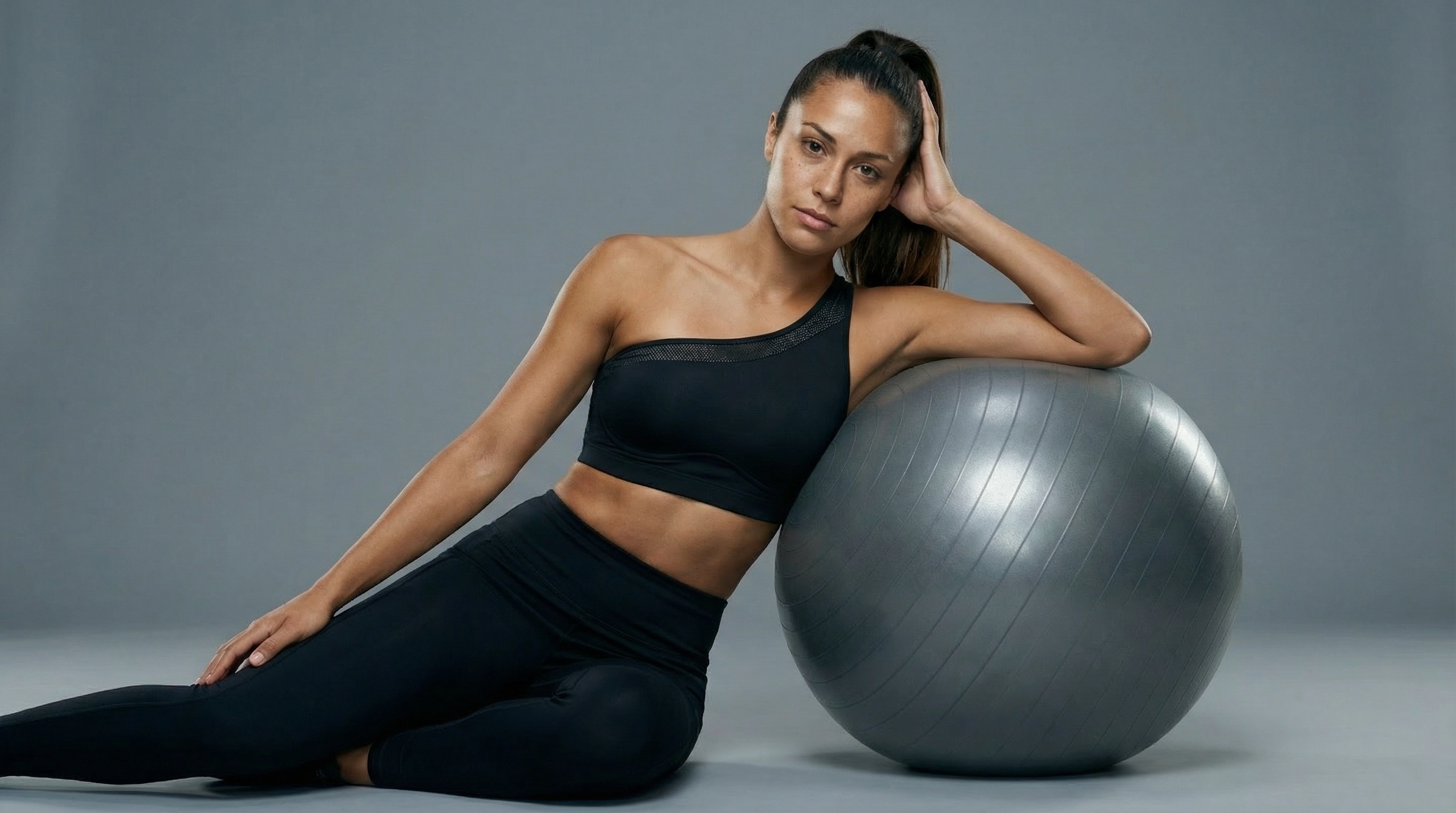
Reference campaign shot, model reference, and wardrobe or product references.
Case Study
AI System Design & Creative Operations • 2025
Case Snapshot
The problem, the system response, the available proof, the strategic value, and the intentional boundary.
Business Context
Creative teams can generate one strong AI image quickly, but campaign work depends on continuity across many assets. This project explores how AI can support faster visual iteration while preserving lighting, scene logic, styling, and human creative review.
System / Solution
The workflow separates constants from variables. A reference shot defines the visual world, while model and wardrobe inputs remain controlled variables. The system produces a small set of campaign-consistent variants that are reviewed by a human for realism, brand fit, and product readability.
Reference campaign shot, model reference, and wardrobe or product references.
Lock scene anchors, define editable attributes, generate controlled variants, review outputs, and select final assets.
Prompt schema and reference conditioning keep lighting, environment, framing, and texture cues stable.
Campaign-consistent image variants ready for creative selection and further art-direction review.
Continuity checks prioritize same-shoot feel over novelty; outputs fail if visual drift breaks the campaign world.
Everyone can generate "cool" images now. Almost no one can generate consistent campaigns. I built a custom n8n automation system that takes one reference campaign shot and lets me swap the model and wardrobe while keeping lighting, environment, and shot DNA stable. The result is campaign-grade coherence produced in minutes. Iteration becomes a repeatable loop instead of a re-shoot problem.
Turn campaign consistency from guesswork into a system you can actually run.
The baseline problem with generative image workflows is drift: change one thing and everything changes: lighting, texture, camera feel, even the "world" itself. That's fine for one-off visuals, but campaigns demand continuity: the audience should feel like every asset came from the same production. The challenge wasn't making a single strong image. It was building a workflow where the scene stays constant while casting and wardrobe stay editable.
I designed the automation to maintain campaign consistency. A "constants vs variables" model locks the non-negotiables of the reference shot while keeping casting and wardrobe editable. The workflow ingests three visual inputs and routes them through a repeatable pipeline focused on continuity. I select the final output for realism, brand fit, and product readability.
One approved campaign shot establishes the production world and the quality bar.
Lighting, environment, framing, texture, and the same-shoot visual atmosphere stay fixed.
Model, wardrobe, pose, product, and selected composition details can change.
A small, comparable set of variants is generated for creative selection.
An output passes only when the requested variation changes without breaking campaign continuity.


Lighting, framing, and product readability stay inside the same campaign world.
The pose works, but texture or styling needs review before final selection.
The change alters scene, proportion, or art direction and should be rejected.

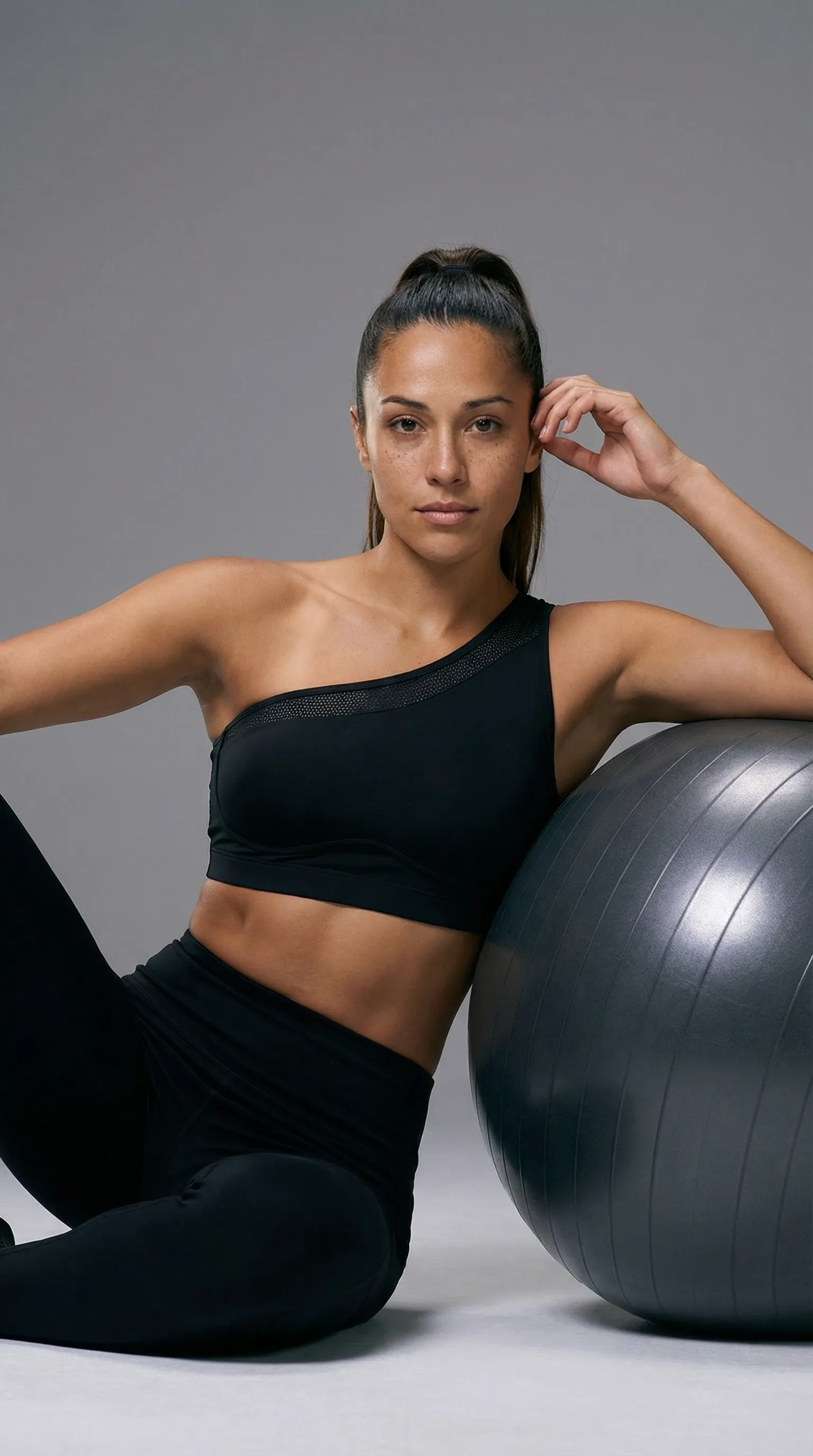
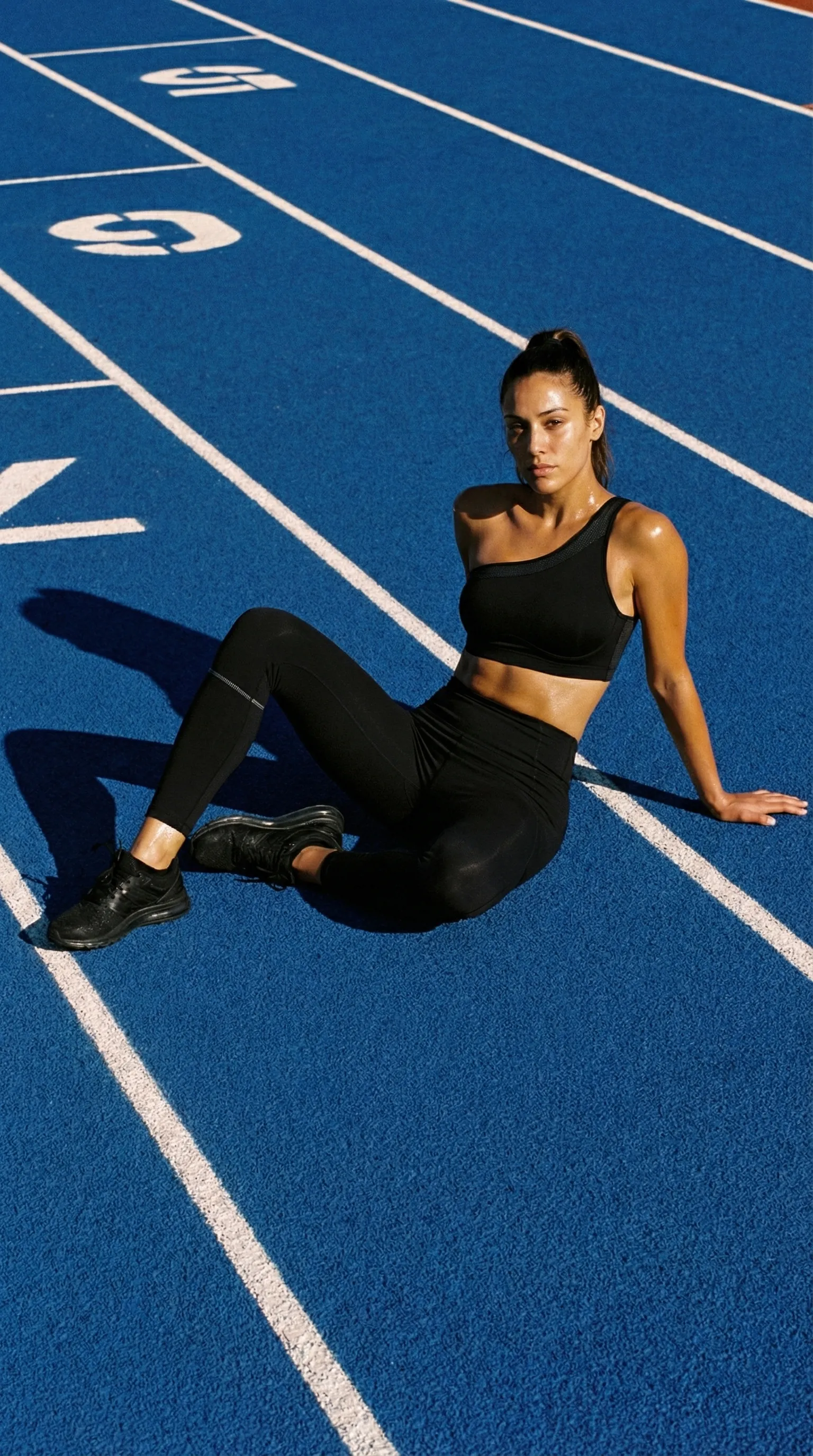
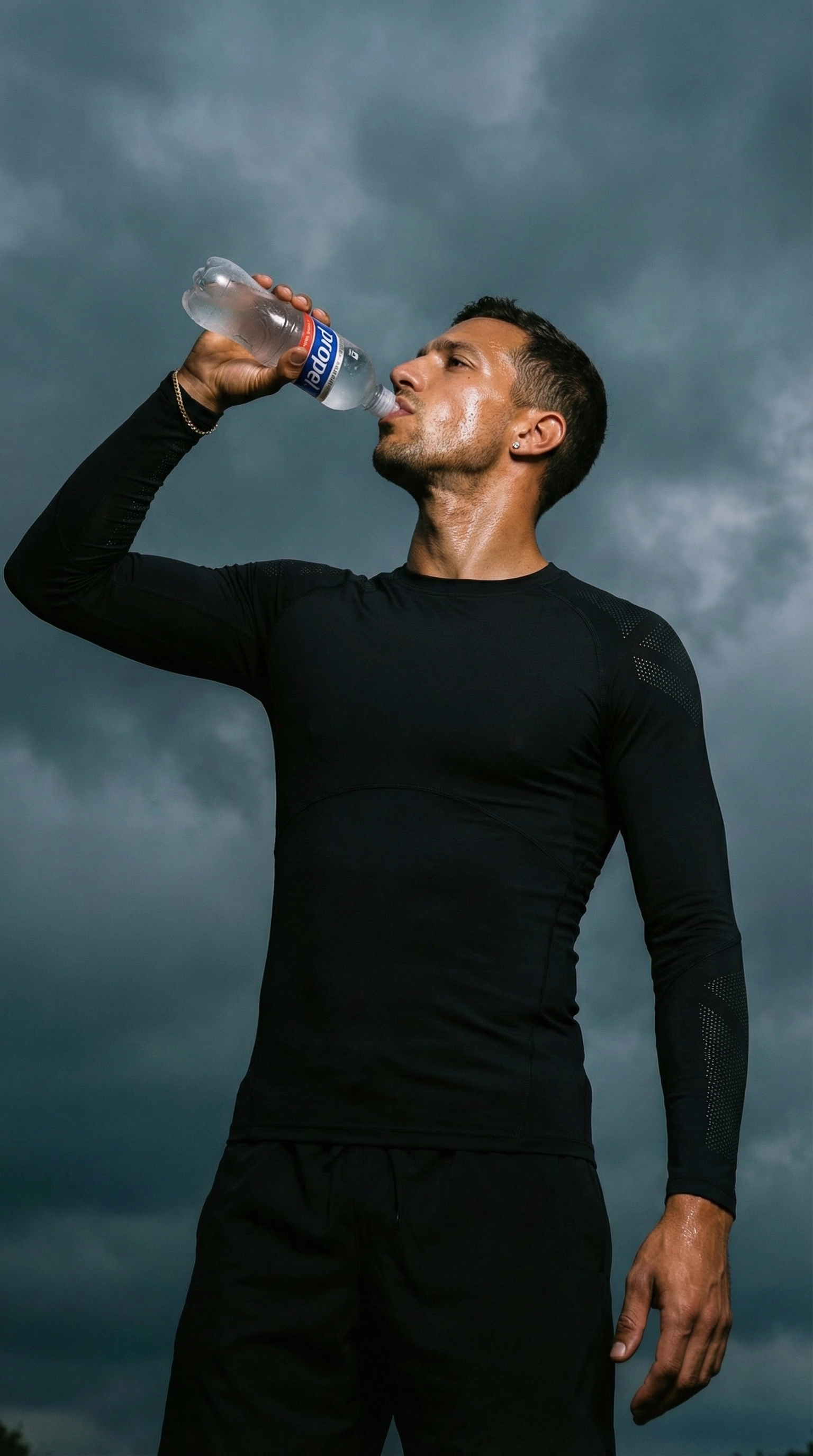
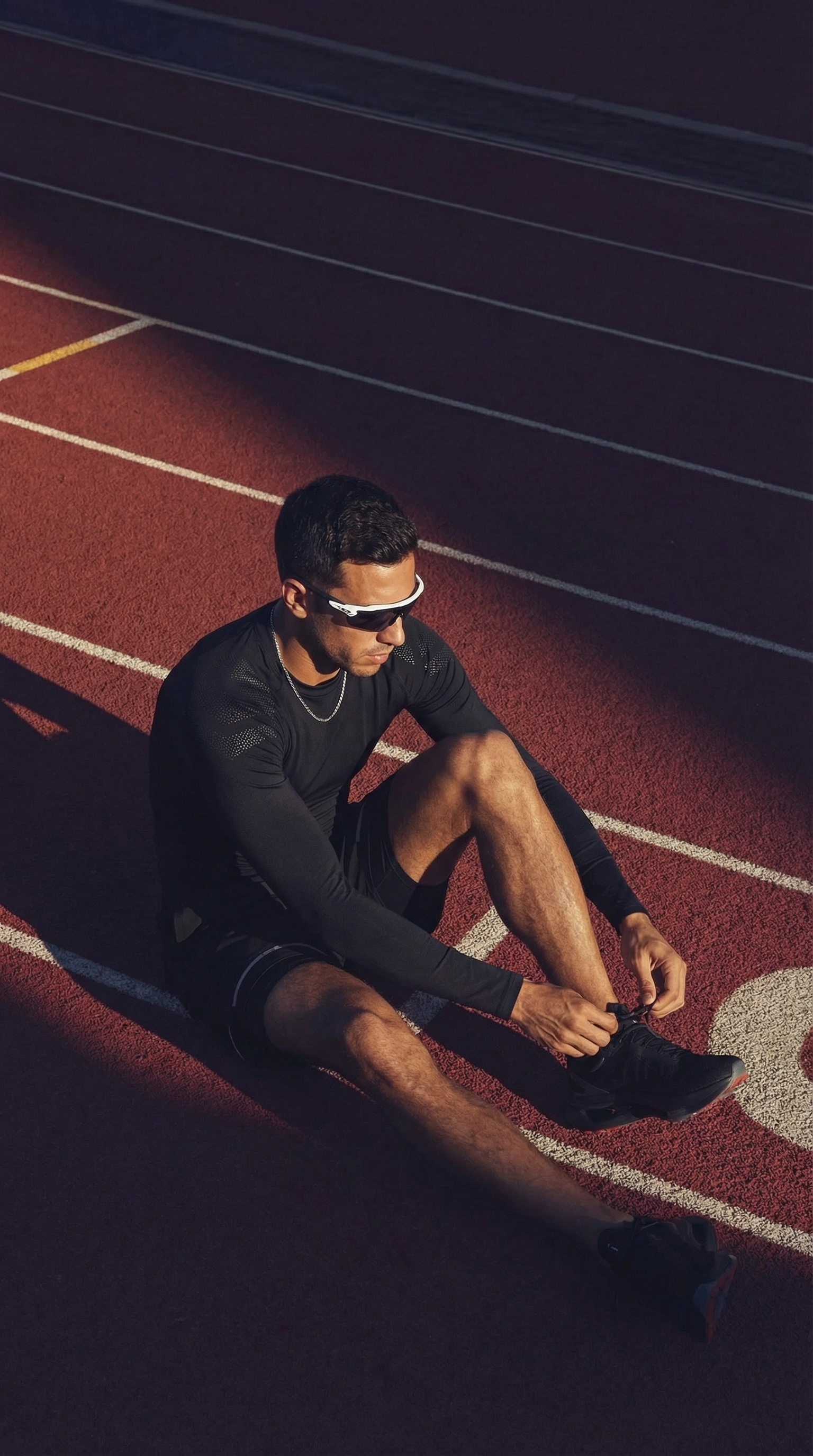
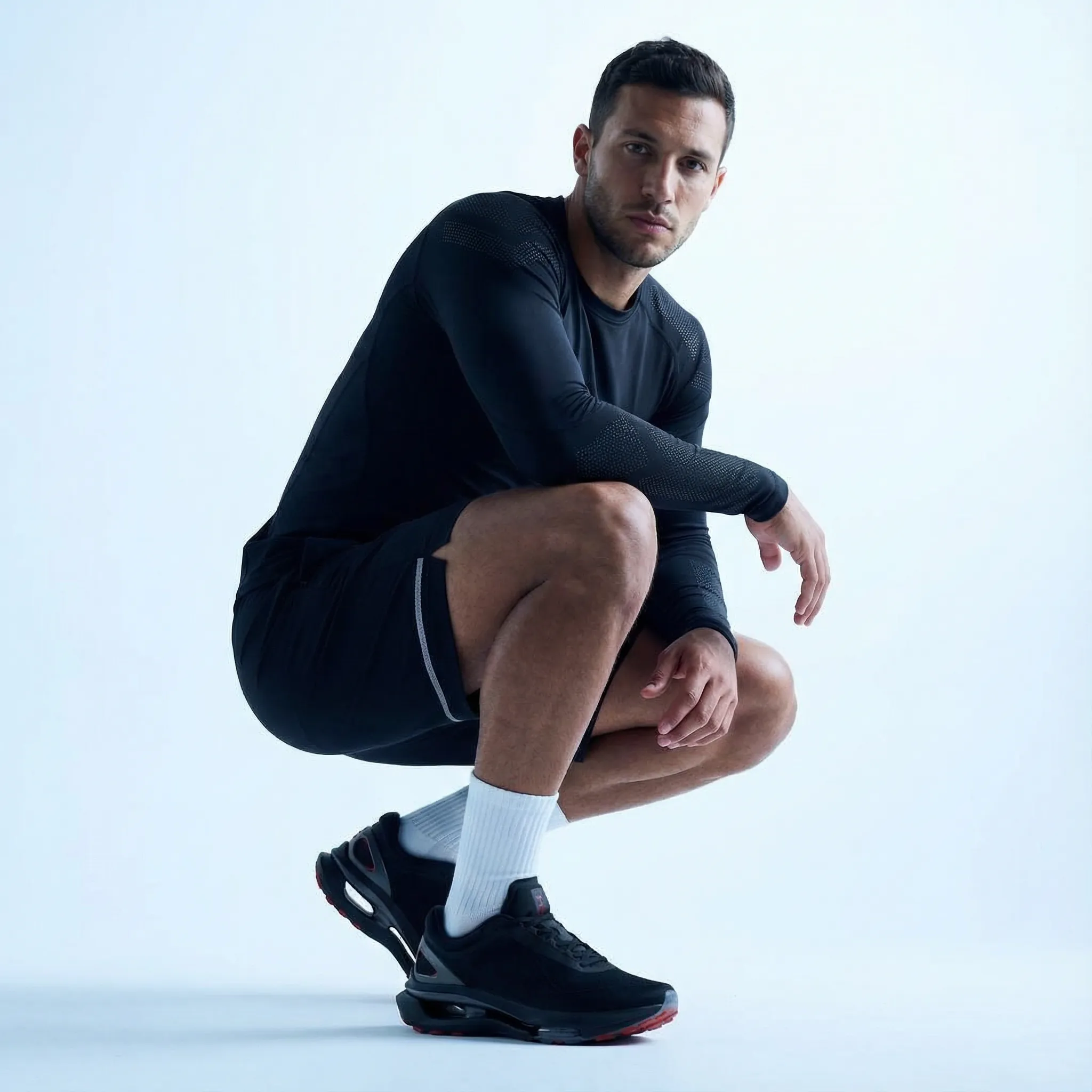
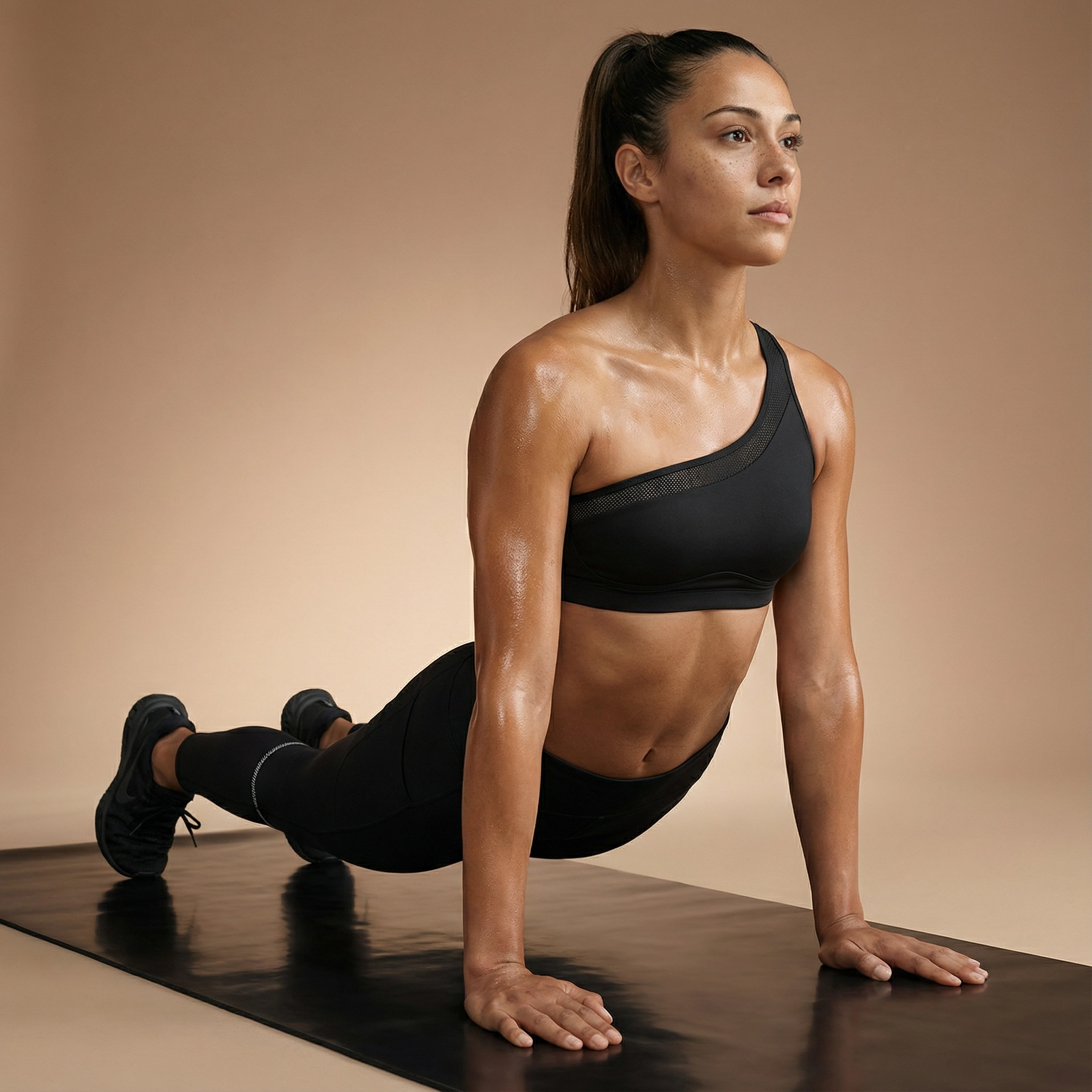
The system makes campaign iteration fast and controllable: you can adapt casting and styling while keeping the visual world consistent. It replaces "generate until lucky" with a repeatable creative loop. Inputs go in, coherent variants come out in minutes, and the final is chosen through judgment, not randomness. Practically, it enables campaign-level decisions without campaign-level burn rate.
This isn't just prompting. It's operational infrastructure for repeatable campaign execution.
Why It Matters
AI image workflows become commercially useful when they are constrained. This system turns open-ended generation into a repeatable creative operation where the team controls what changes, what stays fixed, and how final quality is reviewed.
Client Relevance
A client-facing version could help marketing, ecommerce, brand, or creative teams explore campaign routes, product styling, casting, and variant generation without losing visual coherence or human approval. The workflow could also extend into video production through tools such as Invideo agent, helping teams carry project context, creative direction, and visual consistency across multi-scene video content.
Discuss a Similar System
If your team has a creative process, internal tool, campaign workflow, or brand system worth extending with AI, send a short brief and I'll help define the clearest system logic.